
Intermodal terminals
We have implemented intermodal terminal automation in over 100 terminals globally, enhancing gate, crane, and rail operations for combined rail-road transport. This automation increases truck and train turnaround times, delivering significant value to terminal operators and improving customer satisfaction.
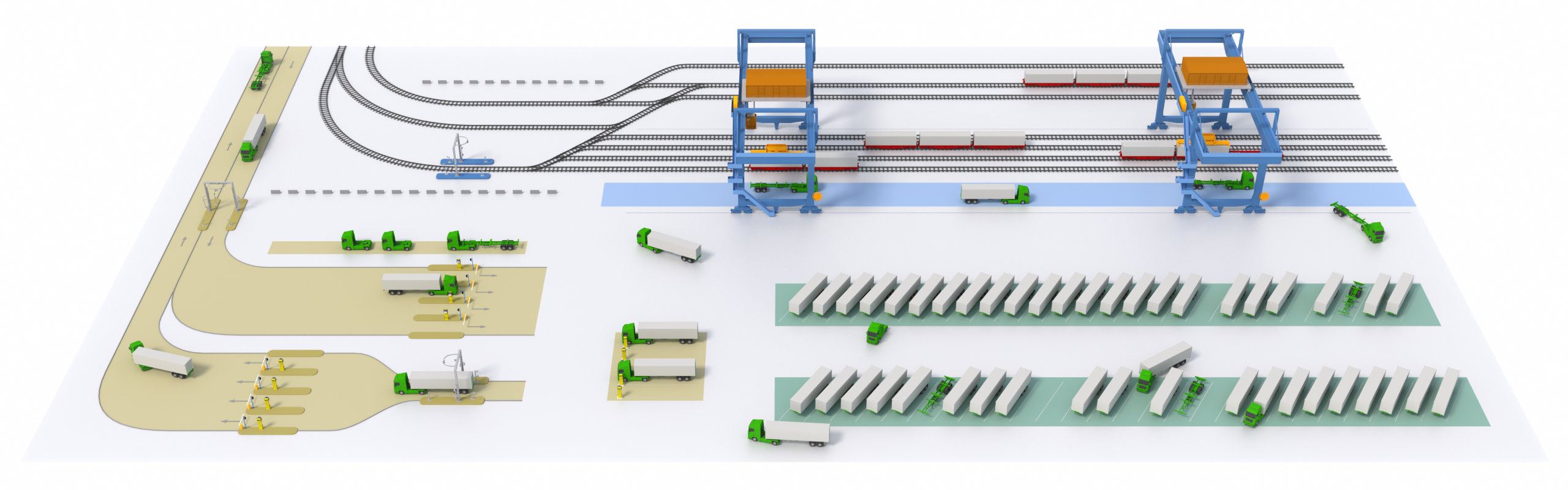
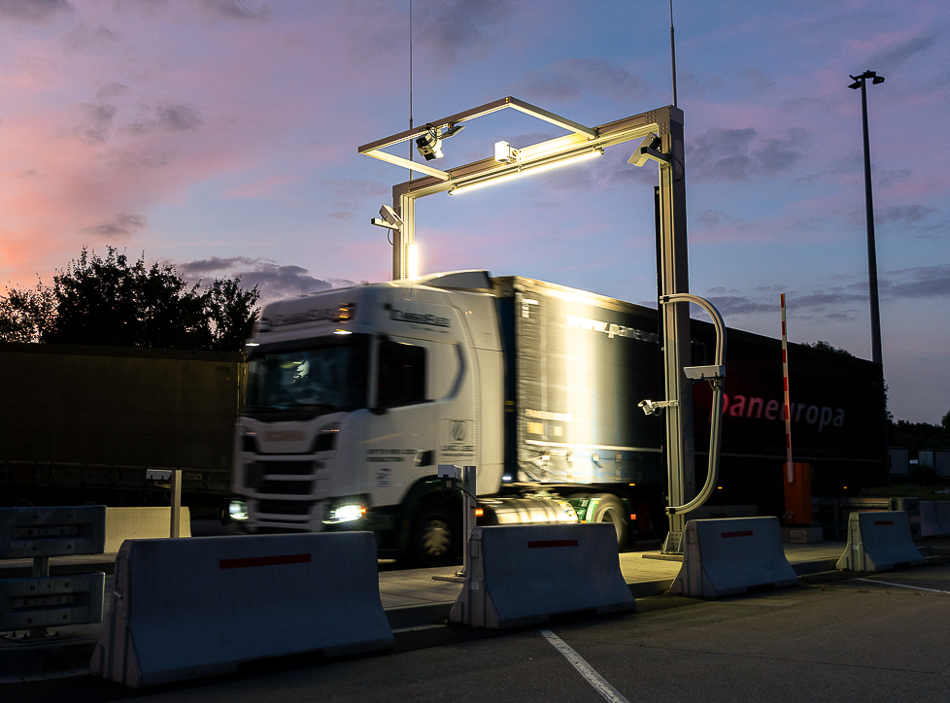
Proven track record of +100 intermodal terminals
In the USA, our intermodal terminal automation portfolio includes +50 references for all North American Class 1 railroads.
In Europe, we have built a strong reputation too: we are currently installing 50 truck portals for Deutsche Bahn subsidiary DUSS in Germany.
From a step-by step integration to full intermodal terminal automation
Camco gate, crane and rail OCR solutions integrate seamlessly in fully automated terminals. However, most inland terminals lack the means for advanced digitization.
The plug & play design of the Camco solutions allows for a phased implementation: a stand-alone gate solution will create an impact from day one.
Gate automation
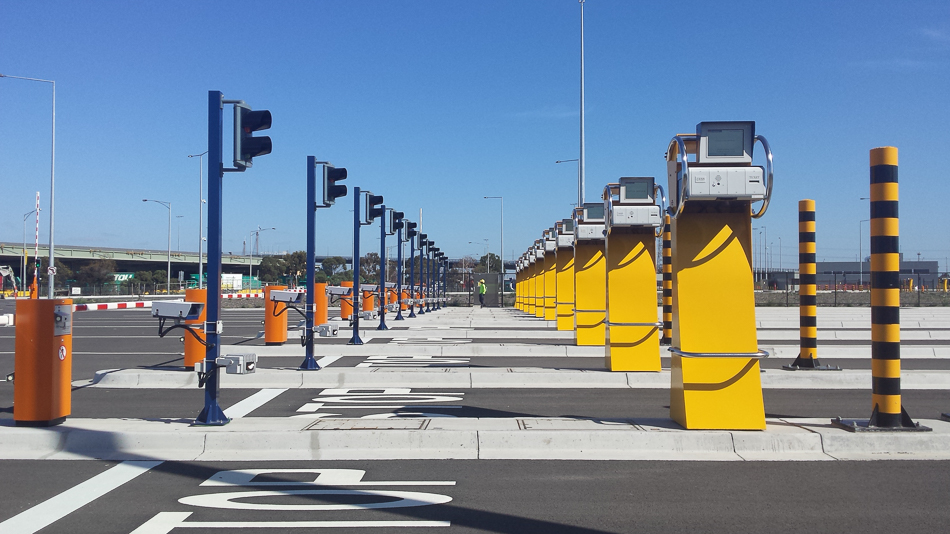
Accurate data capturing and instant data processing is essential for connecting with the terminal Operating System (TOS) and organizing the gate process:
Crane operations
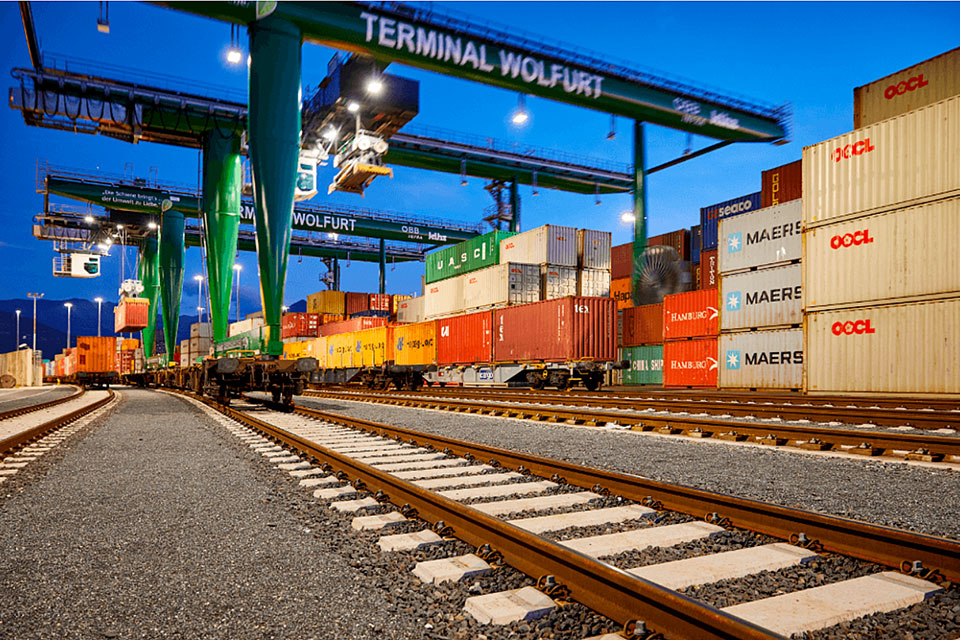
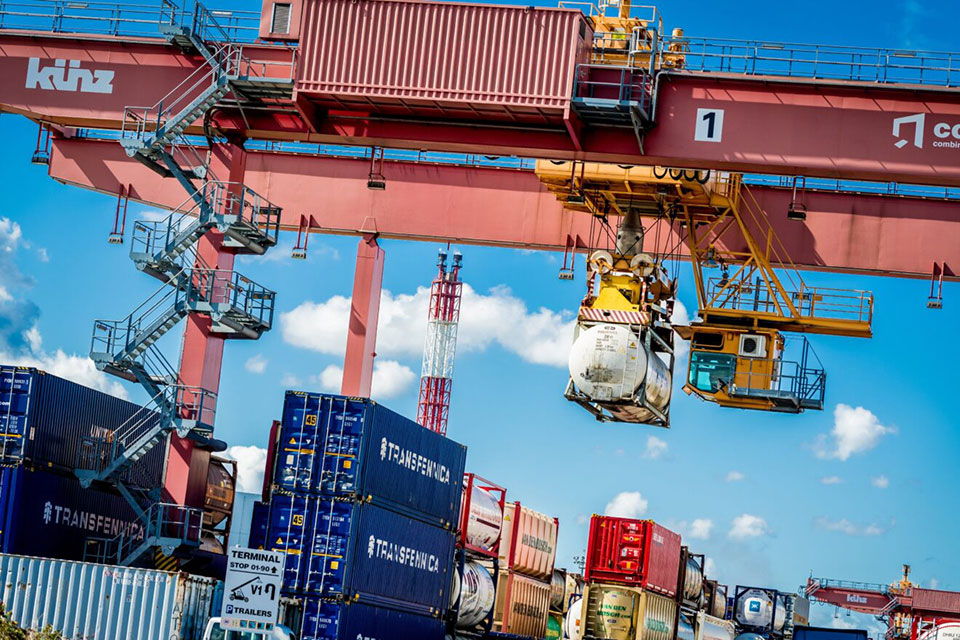
Our crane automation solutions help register containers and trailers while being processed by gantry cranes.
Rail OCR/OFR portal
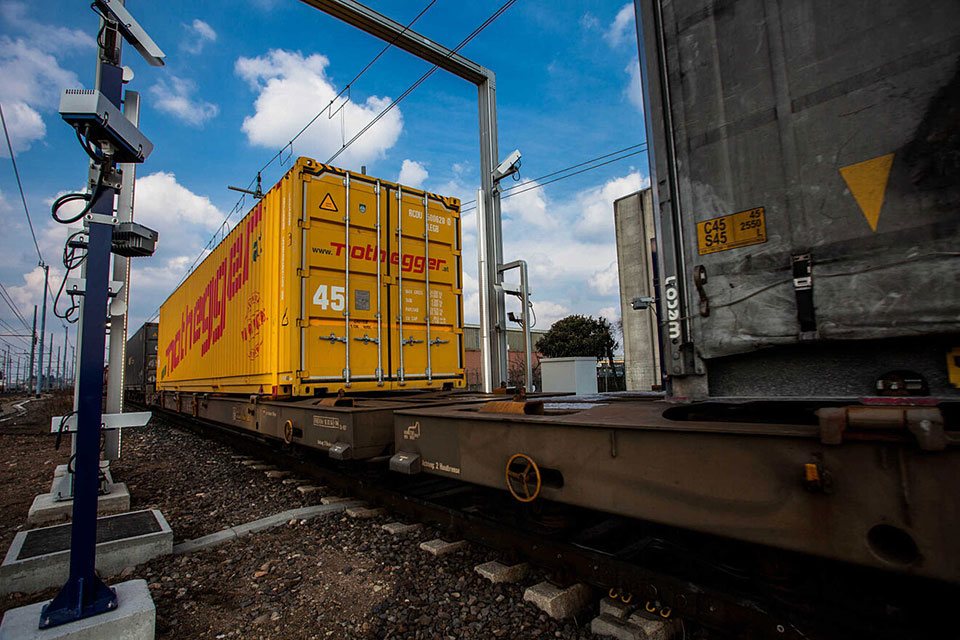
With accurate data of rail wagon and cargo configuration, trains can be processed without delay.
Intermodal terminal automation software
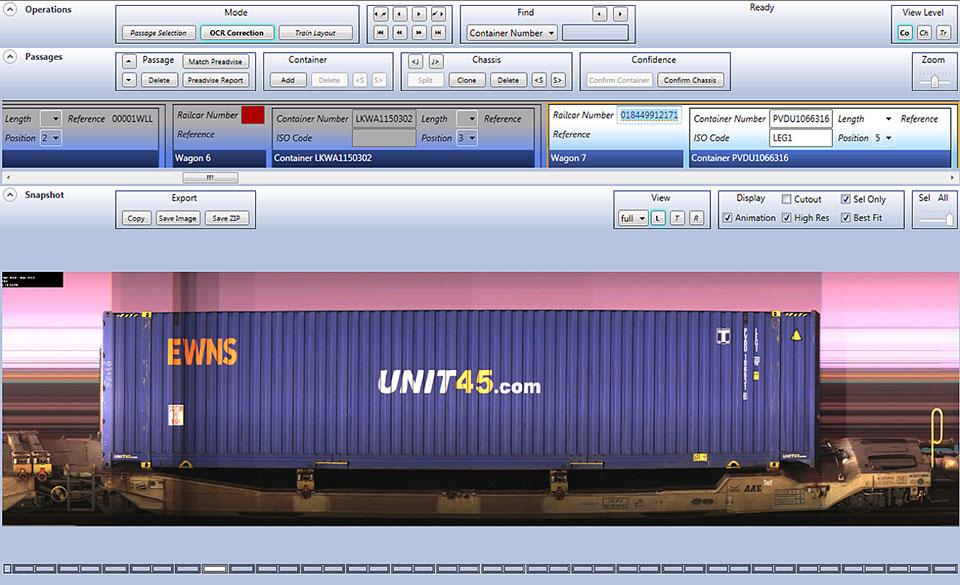
Our automation software integrates seamlessly with the terminal’s own operations management systems. Intuitive applications make life easier for system operators.
Applications for increased safety
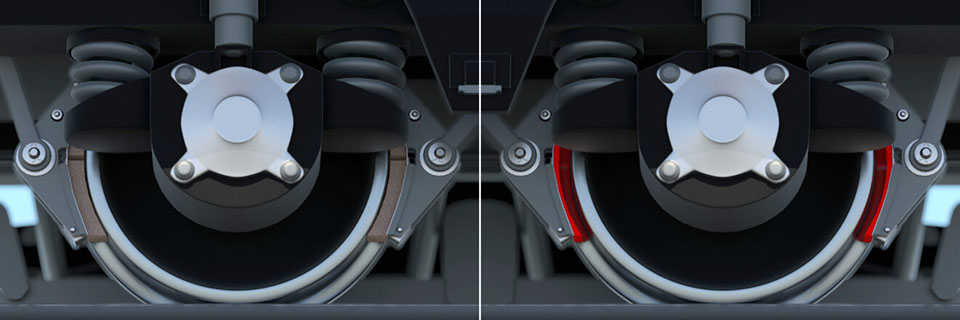
We continue to develop more applications contributing to operation safety and security, in the intermodal terminal or in cross-border applications.

Frequently Asked Questions about Intermodal Terminal Solutions
Specialized intermodal consulting, multimodal commissioning coordination, 24/7 operations center supporting mixed transport modes, predictive rail arrival planning, cross-modal performance benchmarking, customized workflow optimization for specific carrier combinations, and continuous multimodal integration enhancements maximizing overall intermodal terminal efficiency.
Comprehensive multimodal integration includes rail operator systems (TOS/RIS), road carrier platforms, inland barge operators, customs documentation exchange, EDI standards for intermodal billing, and API connectivity with partner ecosystems enabling end-to-end container visibility and automated documentation across the complete intermodal supply chain.
Rail OCR System (ROS) automates rail-mounted container identification, train arrival/departure sequence optimization, rail car positioning guidance, container-to-rail-slot matching, demurrage minimization algorithms, and seamless TOS integration ensuring efficient rail dwell times and synchronized handoffs between rail and other transport modes.
Rail-Mounted Gantry (RMG) crane solutions include OCR container identification across rail spans, automated positioning for rail car loading/unloading, anti-collision systems between multiple RMGs, integration with rail operating systems, and precise container placement guidance optimizing density within intermodal rail storage corridors.
CHEOPS RTLS provides unified tracking for containers moving between road, rail, and storage zones with multimodal stacking optimization, rail car loading sequence planning, truck-to-rail staging coordination, cross-docking visibility, and dynamic yard space allocation adapting to fluctuating inbound/outbound patterns typical in intermodal operations.
Intermodal gate automation features OCR truck identification compatible with rail handoff protocols, under-chassis inspection for rail safety compliance, digital waybill exchange between road carriers and rail operators, pre-rail staging coordination, and automated damage documentation transfer ensuring smooth container progression from highway to rail.
The BRIDGE Intermodal TOS unifies road truck processing, rail train operations, barge coordination, container lifecycle tracking across modes, dynamic slotting for combined equipment types, multimodal equipment scheduling, and real-time visibility across transport handoffs ensuring synchronized intermodal terminal throughput optimization.
Camco delivers integrated intermodal terminal solutions combining multimodal TOS functionality, combined road/rail gate processing, rail-mounted gantry (RMG) crane automation, RTLS container tracking across transport modes, and synchronized planning algorithms that optimize handoffs between road, rail, and inland waterway operations for seamless intermodal flows.
