
Key features
- Handles a non-stop truck flow, with vehicle speeds up to 50 km/h (31 mph)
- 500 truck/h capacity, bumper by bumper
- Complete processing inside the cameras in less than three seconds per truck
- Highest OCR accuracy rates, audited, in the market
- Supports all container types and combinations
- Supports intermodal, non-ISO container, and semi-trailer numbers
- Supports US chassis numbers
- Redundant by design
- Embedded time and location tags
- Low-energy automatic illumination system
- Small footprint
- Seamless interaction and integration with local TOS or other host systems
- Designed for over ten years of operation and guaranteed support
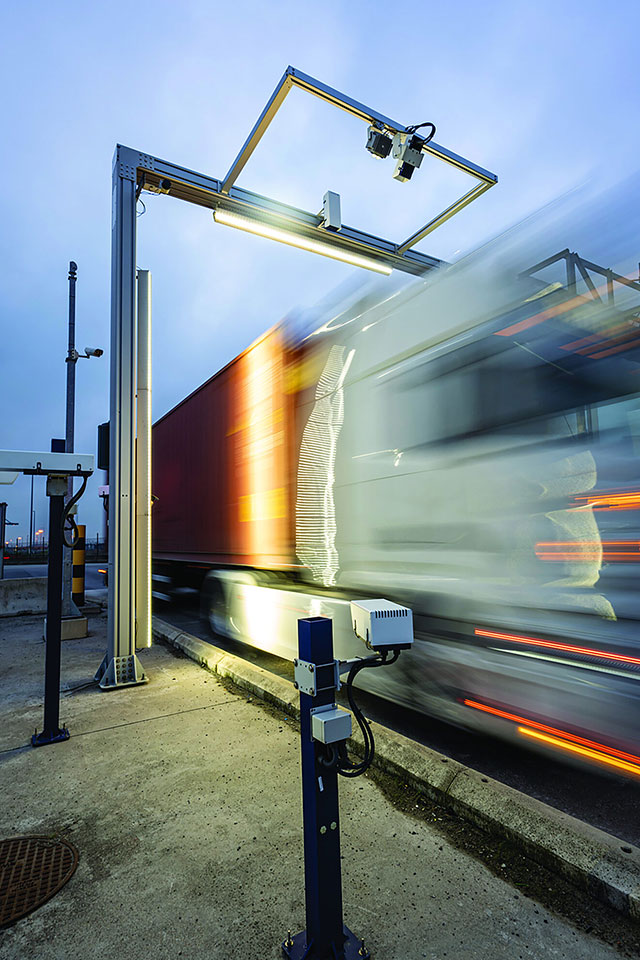
Capturing essential data
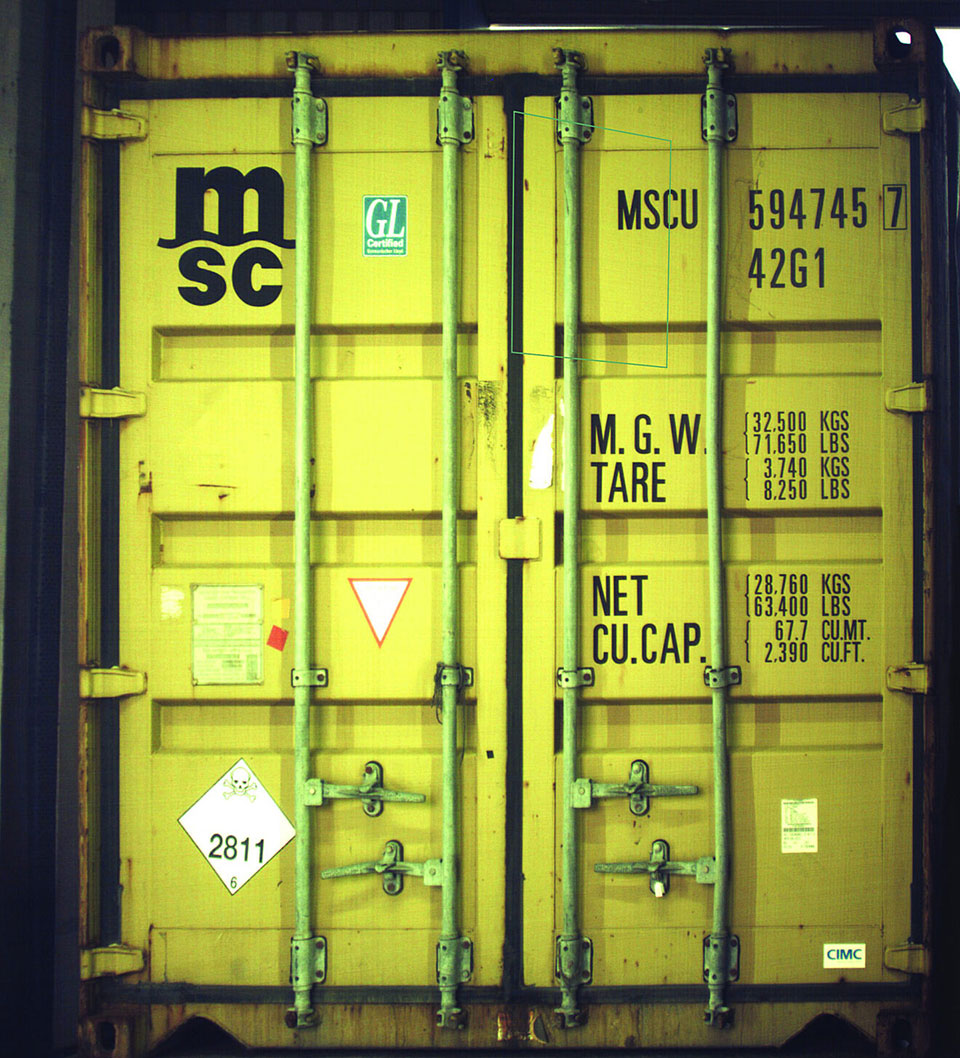
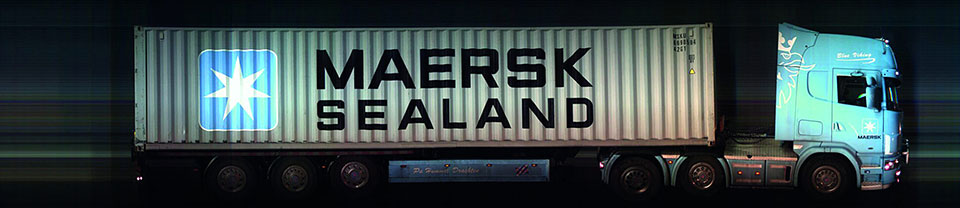
Camco’s gate solutions automate the processing and validation of truck and container data, while capturing high-resolution images for condition recording. The Truck OCR Portal quickly scans inbound and outbound trucks, detecting and reading container numbers, ISO codes, license plates, and more. It instantly shares data with the Terminal Operating System (TOS) to enhance truck turnaround, improve terminal operations, and ensure customer satisfaction. Additionally, the system stores high-quality images for efficient damage claims management.
Proprietary technology
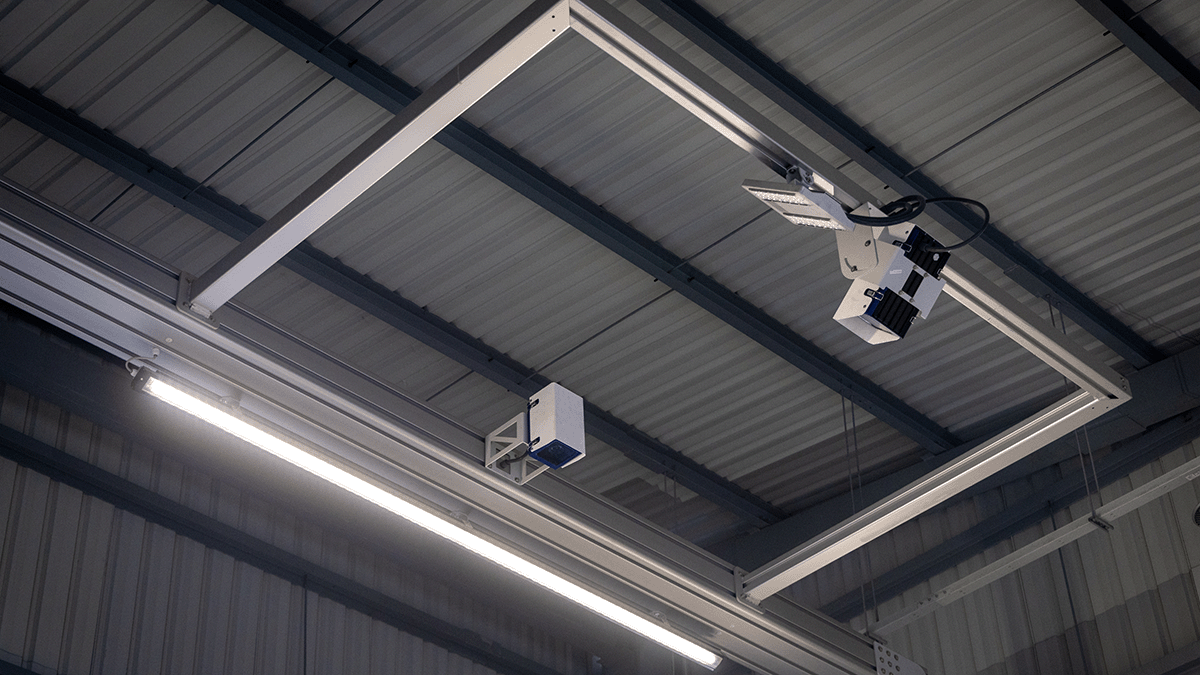
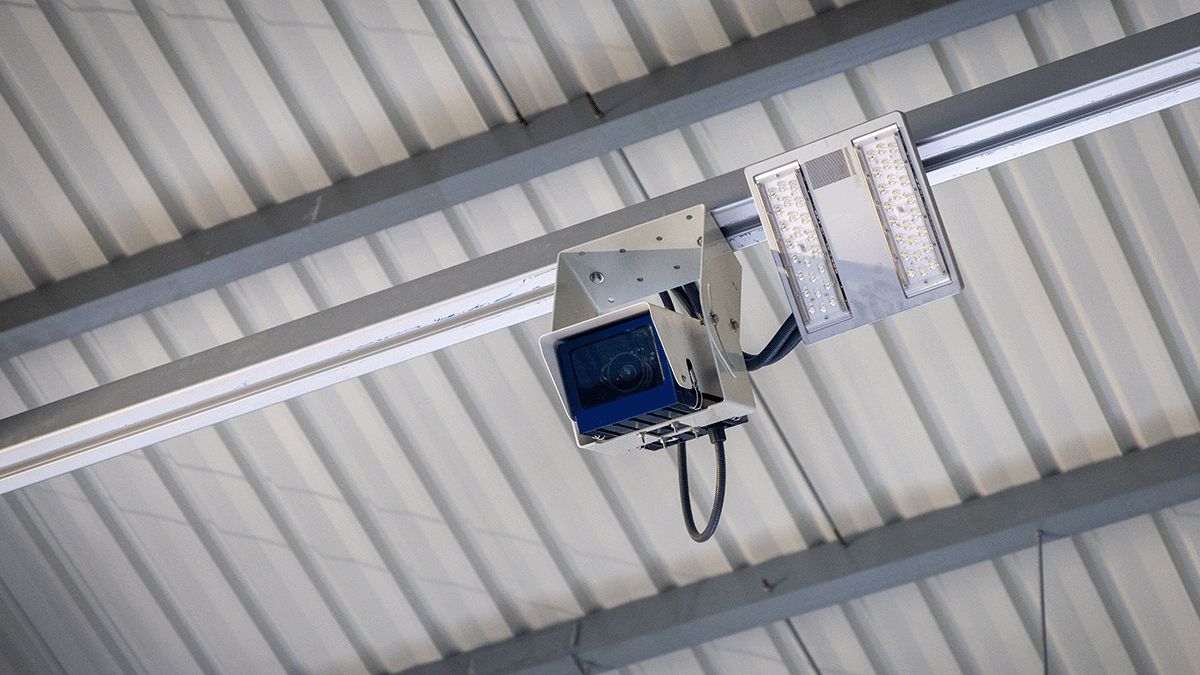
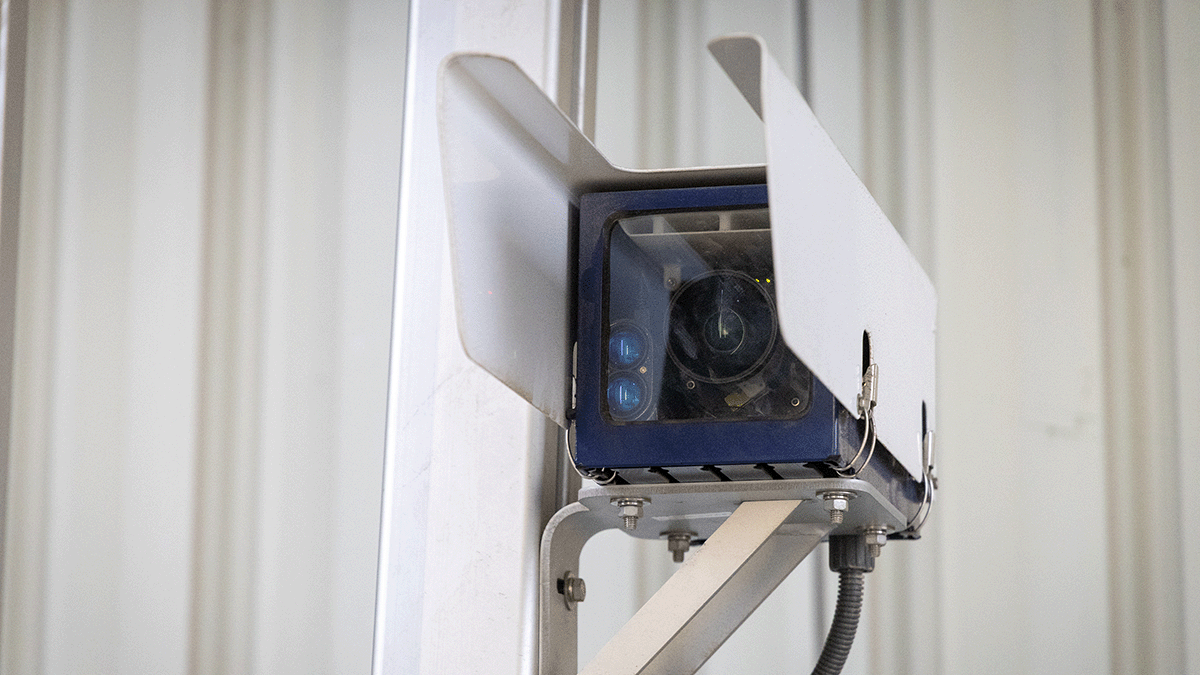
The in-house developed cameras use the latest high-resolution image sensors. The built-in AI processors from Nvidia process all images inside the camera using the latest generation of OCR/OFR engines based on convolutional neural networks and AI, maximizing recognition rates and minimizing exception jobs.
Excellent accuracy rates
Camco’s Truck OCR Portal is known for its unparalleled image quality and excellent OCR/OFR accuracy rates using the latest AI algorithms. With more than 25 years of experience, our AI engines became a reference in our market.
Optical Character Recognition
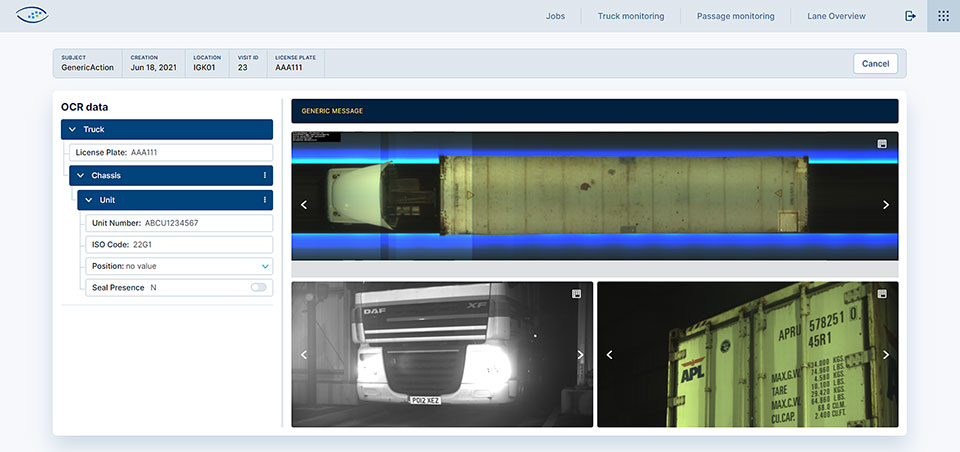
Using deep-learning image processing algorithms, our OCR technology has been trained for automated checks and measurements of all readable information on trucks, trailers and containers.
OCR readings
- Container number & ISO code
- Container weight & capacity info
- IMDG label presence & class
- Truck License Plate Recognition
- Chassis number & tare weight
- Trailer & ILU number
- Trailer yellow plate and rear license plate
- Enhanced tank identification
Optical Feature Recognition
Using deep-learning image processing algorithms, our OFR technology has been trained for automated checks and measurements of the truck, trailer, and container physical characteristics.
OFR readings
- Container door orientation
- Cargo classification
- Container position on chassis
- Tank bar & valve present
- Seal presence and class
- GENSET presence
- Wheel & axle configuration
- Automated damage inspection
Performance guaranteed
Highest accuracy
Our OCR Portal offers unparalleled image quality and OCR/OFR accuracy rates, with audited OCR rates.
Increased gate throughput, bumper to bumper
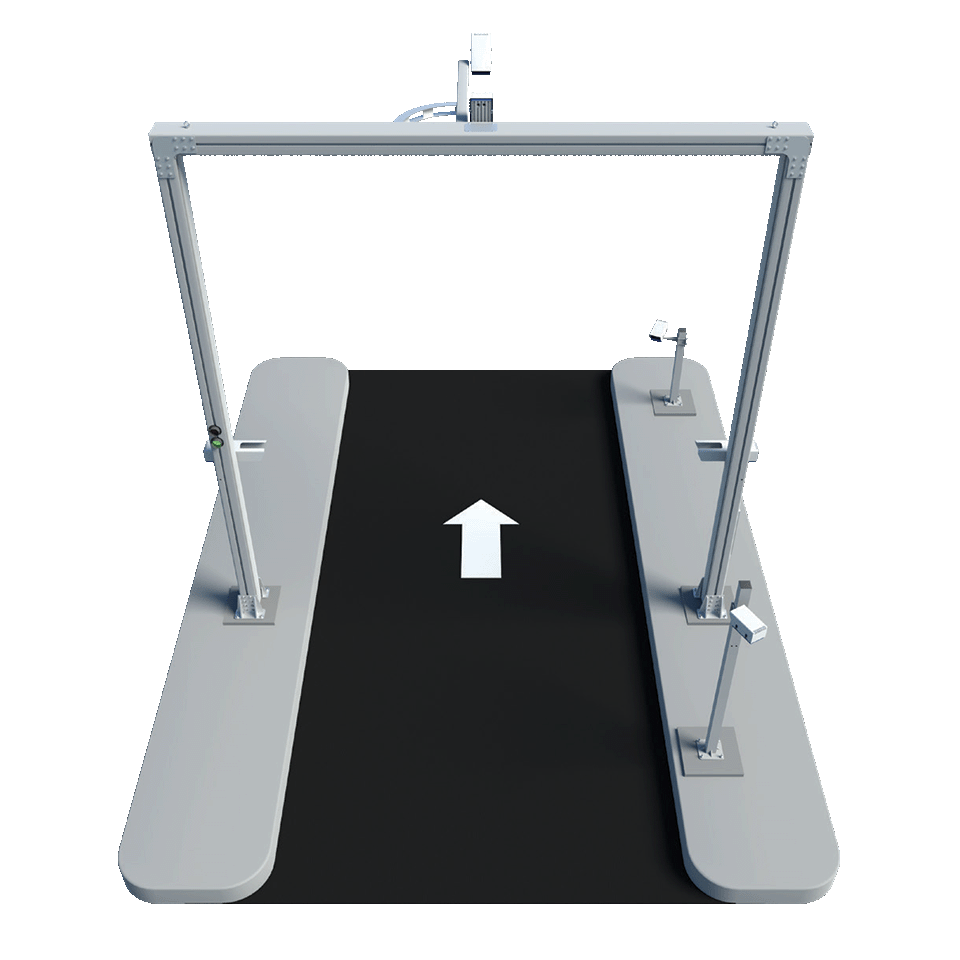
The Camco Truck OCR Portal efficiently handles up to 500 trucks per hour through a single-camera drive-through system. Installed in front of gate lanes, it eliminates the need for traffic controls like speed bumps or barriers. Spot-line triggering enables smooth traffic flow, even in bumper-to-bumper situations.
By minimizing truck processing time, the portal significantly boosts gate throughput, helping terminal operators speed up operations and improve efficiency.
Proven technology
Camco has deployed +700 OCR Portals across the world, and they have a 10+ lifetime and 99,9% uptime.
Two portals satisfying different needs
Camco’s Truck OCR Portal is available in two designs: the Maritime portal , tailored for high-demand container terminal applications, and the Intermodal portal , designed for small maritime terminals, inland terminals and warehouses. Both options provide flexible, efficient solutions for optimizing terminal operations.
Maritime portal
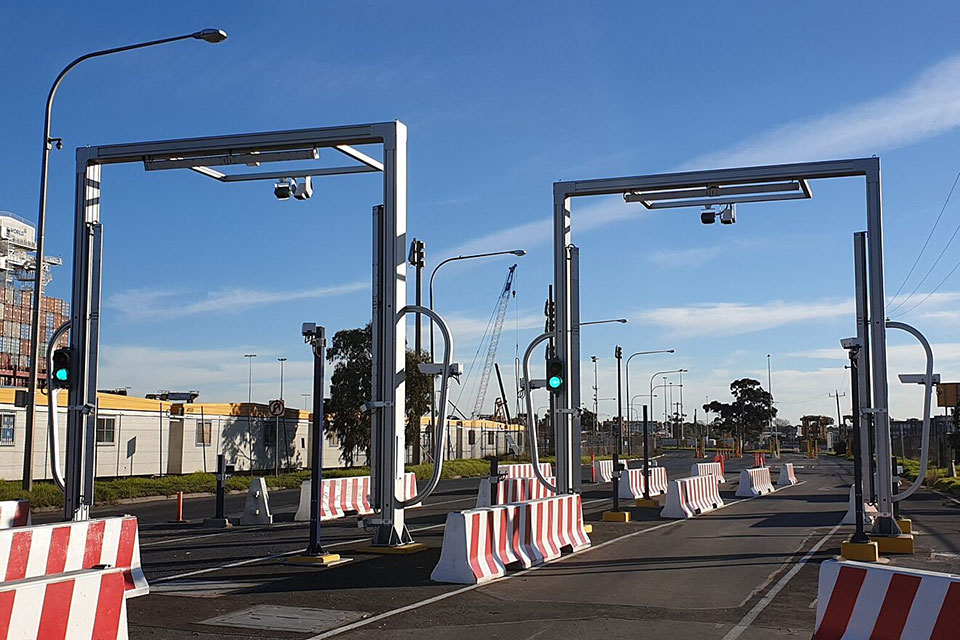
Designed for demanding maritime terminal operations, the Maritime Truck OCR Portal is built to withstand extreme weather conditions, including powerful wind gusts, heavy rain, and dense fog. To ensure long-term durability, its robust, anodized aluminum frame resists severe weather while also allowing customization to fit specific terminal layouts.
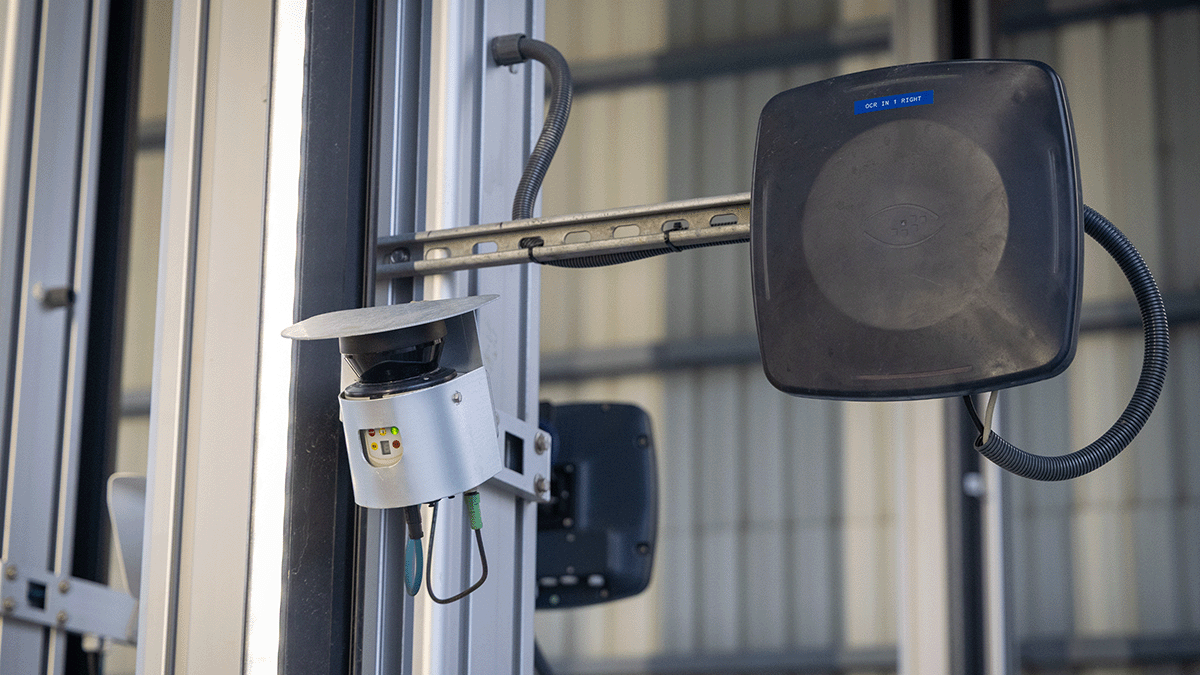
Moreover, the portal is engineered for maximum uptime. Its high-performance laser scanner accurately detects container movements even in low-visibility conditions, while the redundant system controller guarantees that no container goes unregistered, minimizing operational disruptions.
Whether deployed as a stand-alone solution or seamlessly integrated into a larger gate automation system, the Maritime Truck OCR Portal connects effortlessly with terminal host systems, including Gate and Terminal Operating Systems, access control platforms, and Vehicle Booking Systems. As a result, terminals can achieve greater efficiency, reliability, and automation in even the most challenging environments.
Intermodal portal
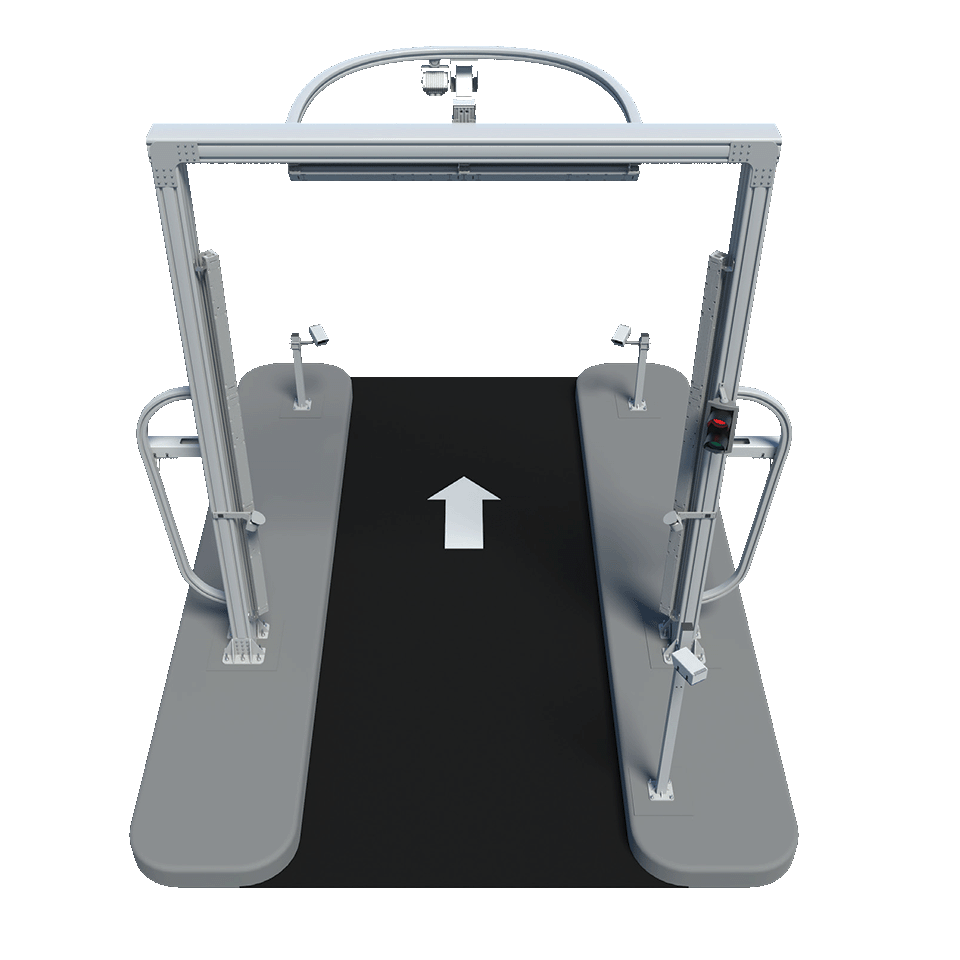
Designed for smaller maritime and inland terminals as well as logistics operations, the Intermodal Truck OCR Portal delivers the same high performance as the Maritime portal. However, it supports fewer cameras, is less redundant, and has a slightly lower wind load capacity. Nevertheless, its key advantage lies in its lower cost. Furthermore, thanks to its higher level of integration, it can be unboxed and installed in just one day, significantly reducing deployment time.
In addition, the Intermodal Truck OCR Portal meets the growing demand for a fast-deployable, low-maintenance, and cost-effective truck and container registration system.
Moreover, whether used as a stand-alone solution or integrated into a broader gate automation system, the portal seamlessly connects with various terminal host systems, including Gate and Terminal Operating Systems, access control platforms, and even Vehicle Booking Systems. As a result, terminals can enhance efficiency, reduce operational complexity, and streamline logistics with minimal effort.
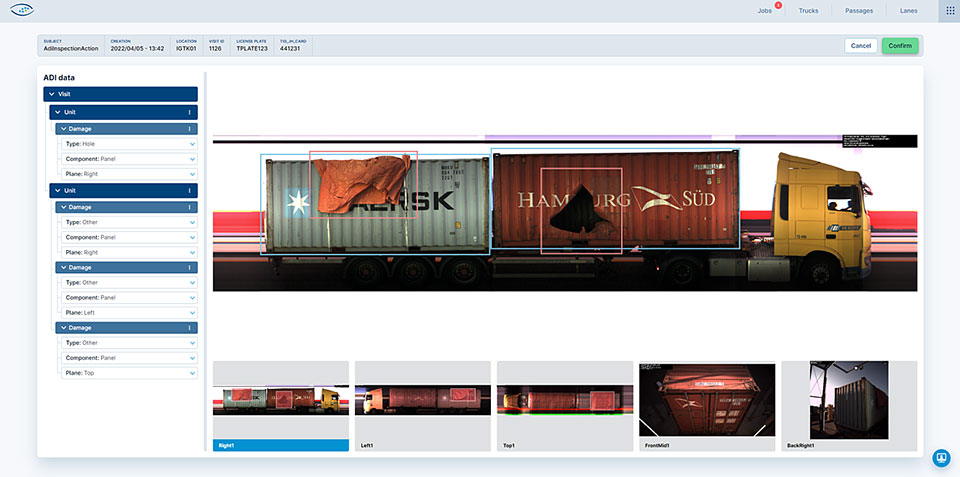
Automated Damage Inspection (ADI)
The Camco OCR/OFR Truck Portal supports ADI: Container damage; type, severity, and location are registered and flagged when above a customizable pre-set threshold in our Automated Damage Inspection application. The ADI engines embedded in the cameras can detect more than 20 different damage types as holes, dents, tape, etc.
With ADI, preventing severely damaged containers from being processed is vital for protecting terminal staff and assets.
Automated detection of non-structural damage like holes or rips lets you inform your customers of the container’s condition status when entering or leaving the terminal.
But even without ADI, all high-res pictures are stored and retrievable at any moment for damage claims management purposes.
ADI is fully integrated into our unified User Interface, called THE BRIDGE.
Frequently Asked Questions about Truck Camera Portal
Seamless workflow integration validates driver authorization against bookings, triggers appropriate lane assignments, generates digital gate passes with facial imagery, updates carrier performance scoring, routes authentication exceptions to supervisors, and synchronizes identity verification status with TOS container processing ensuring security gates don’t bottleneck operational throughput.
Systematic digital evidence capture includes driver ID photos timestamped with transaction records, cab interior compliance imagery, exception condition documentation, unauthorized access attempt video clips, fatigue violation screenshots, and complete visual audit trails automatically archived and retrievable for insurance claims, regulatory audits, carrier disputes, and security incident reviews.
Integration with mobile apps enables QR code display matching, Bluetooth beacon proximity verification, NFC tag reading, and geo-fenced automatic authentication combining camera-based visual confirmation with wireless technologies allowing drivers to maintain hands on steering wheel while accelerating secure identity validation at high-volume gates.
Blink rate analysis, gaze tracking patterns, head position monitoring, and micro-expression recognition algorithms detect driver drowsiness indicators providing real-time alerts to gate personnel, fatigue scoring for carrier performance evaluation, compliance reporting for safety regulations, and operational recommendations during extended peak processing periods.
Multi-person detection algorithms distinguish driver from passengers counting cab occupants against booking manifest expectations, identifying unexpected personnel through facial recognition against authorized lists, triggering security alerts for non-compliance, and documenting violations with timestamped imagery for carrier notification and access denial workflows.
Wide-angle cab cameras document driver seating position, passenger occupancy verification, mobile device usage compliance, seatbelt status where visible, PPE adherence confirmation, and interior condition providing complete visual evidence supporting access authorization decisions, safety policy enforcement, and incident investigation requirements.
Advanced facial recognition algorithms analyze live video feeds against pre-registered driver databases matching identity with 99.9% accuracy even accounting for headwear, lighting variations, camera angles, aging progression, and facial hair changes while cross-referencing carrier authorization lists and license validation records.
Truck camera portals capture high-resolution driver identification imagery, cab interior documentation, unauthorized occupant detection, driver authentication verification, fatigue monitoring data, and digital compliance evidence positioned at strategic gate locations providing visual audit trails essential for security, access control, and operational accountability.
